

RCAC’s 2026 CI-XP Summer Internship program is a great success
Over the summer, the Rosen Center for Advanced Computing (RCAC) hosted its annual 11-week hands-on internship, the CI-XP Summer Internship Program. This program is designed to give undergraduate students real-world work experience in high-performance computing (HPC).
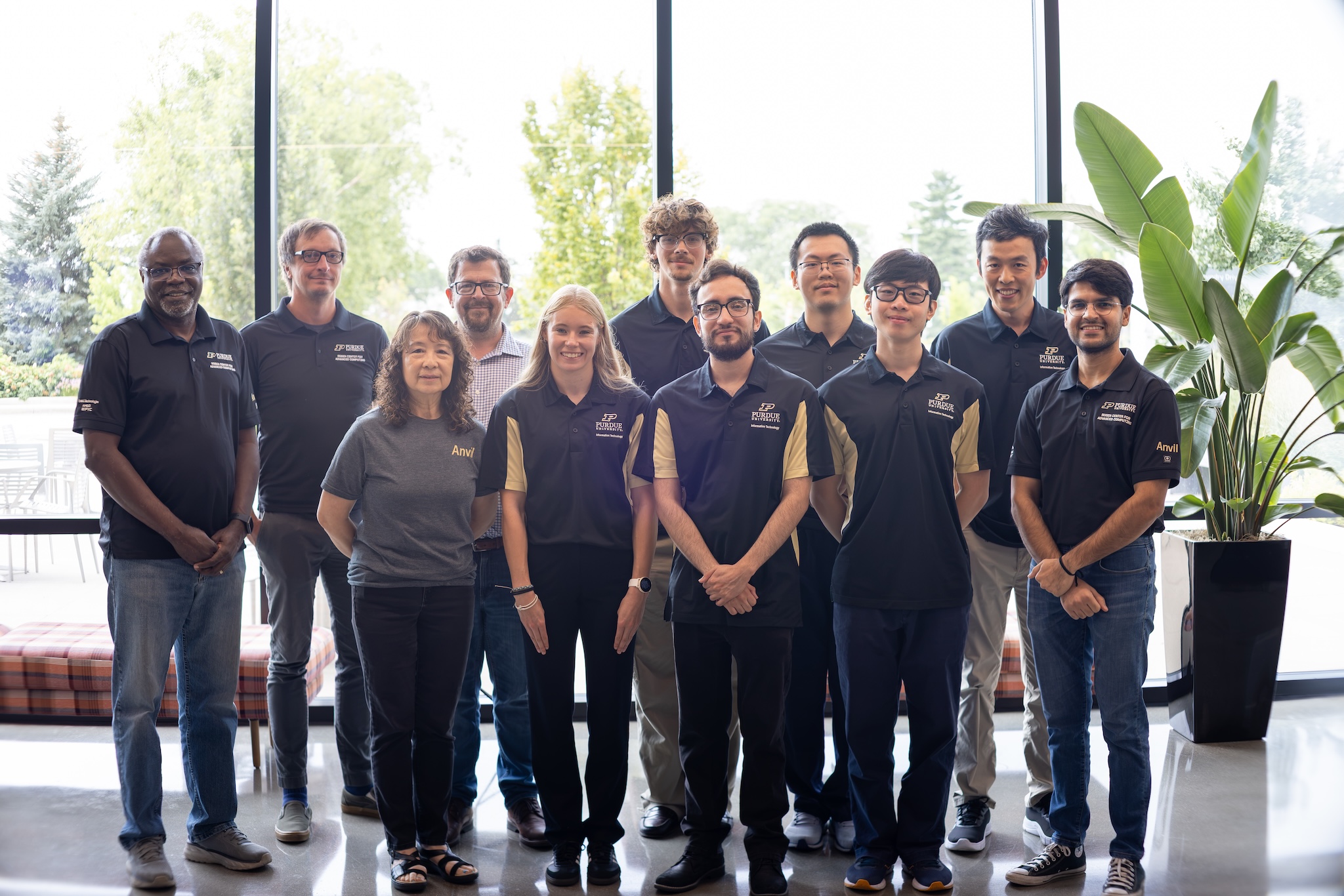
Five students from across the nation gathered at Purdue’s campus in West Lafayette, Indiana, for the 2026 CI-XP Summer Internship Program. These students joined the program to learn about HPC and work on projects involving Purdue’s supercomputing resources, including the NSF-funded Anvil supercomputer. Over the course of the internship, the students gained the knowledge and skills required to build advanced research computing systems and scientific applications to run on them.
The CI-XP Summer Internship Program is a paid summer internship open to undergraduate students in the United States, regardless of their background. As in previous years, a massive influx of applications caused the application window to close nearly a month before its official deadline, with total applicants surging to nearly 400 students. The CI-XP mentors—five RCAC staff members who led the projects and guided the students through the internship—narrowed the list down to just five students. The five participants of the 2026 CI-XP Summer Internship Program were:
- Branden Turner, Computer Science major, Texas A&M University
- Eric Jin, Computer Science major, Purdue University
- Howie Lin, Computer Science and Economics double major, Boston College
- Angello Bravo, Computer Science major, New Jersey Institute of Technology
- Shelby Stall, Computer Science and Business Analytics double major, DePauw University
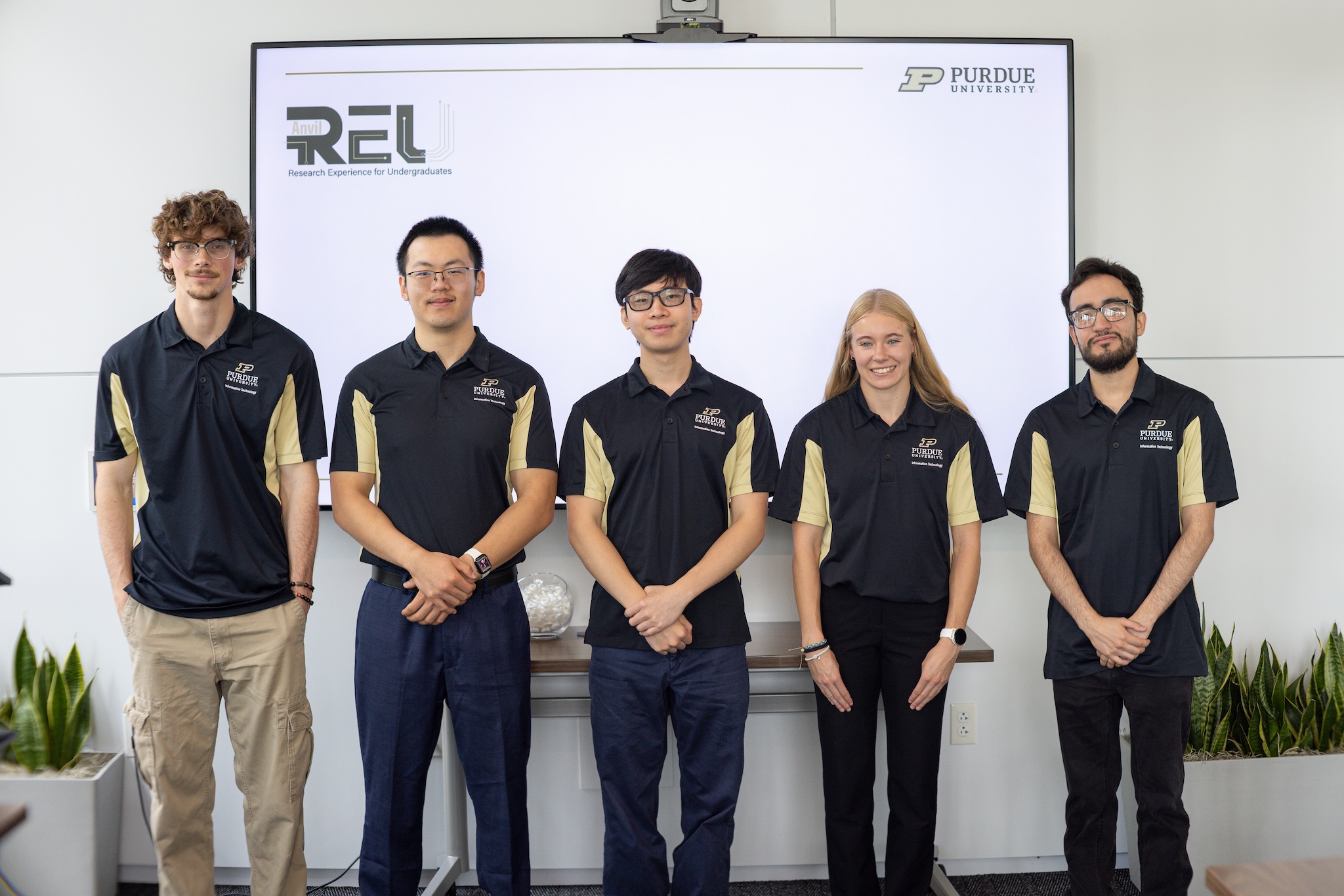
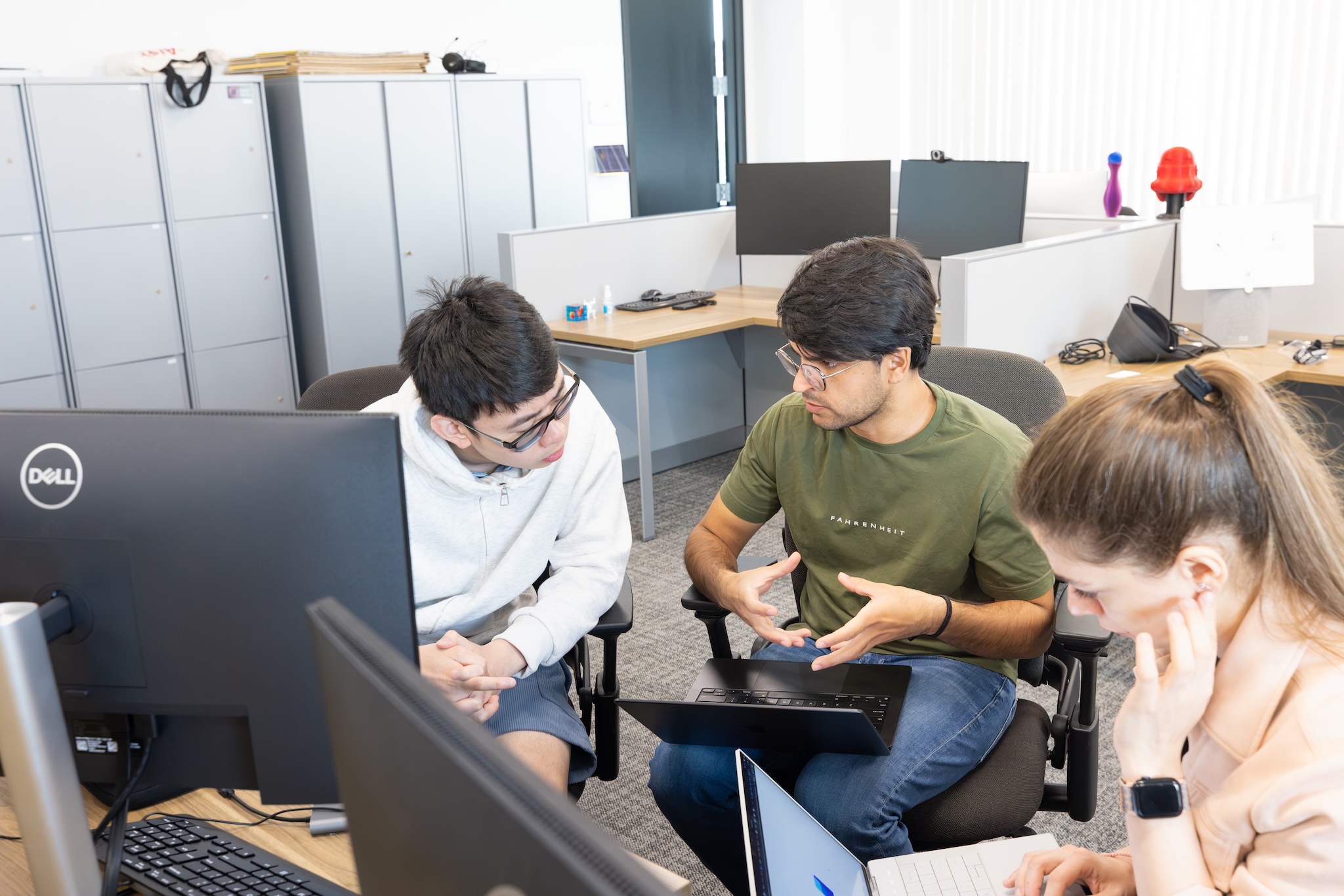
The CI-XP Summer Internship Program consisted of three separate projects. These projects were chosen with real-world applicability in mind—the students would not only gain experience with HPC and learn new skill sets, but would simultaneously increase RCAC’s system capabilities. Each student also had a personal project mentor to help them achieve their goals.
Project 1:
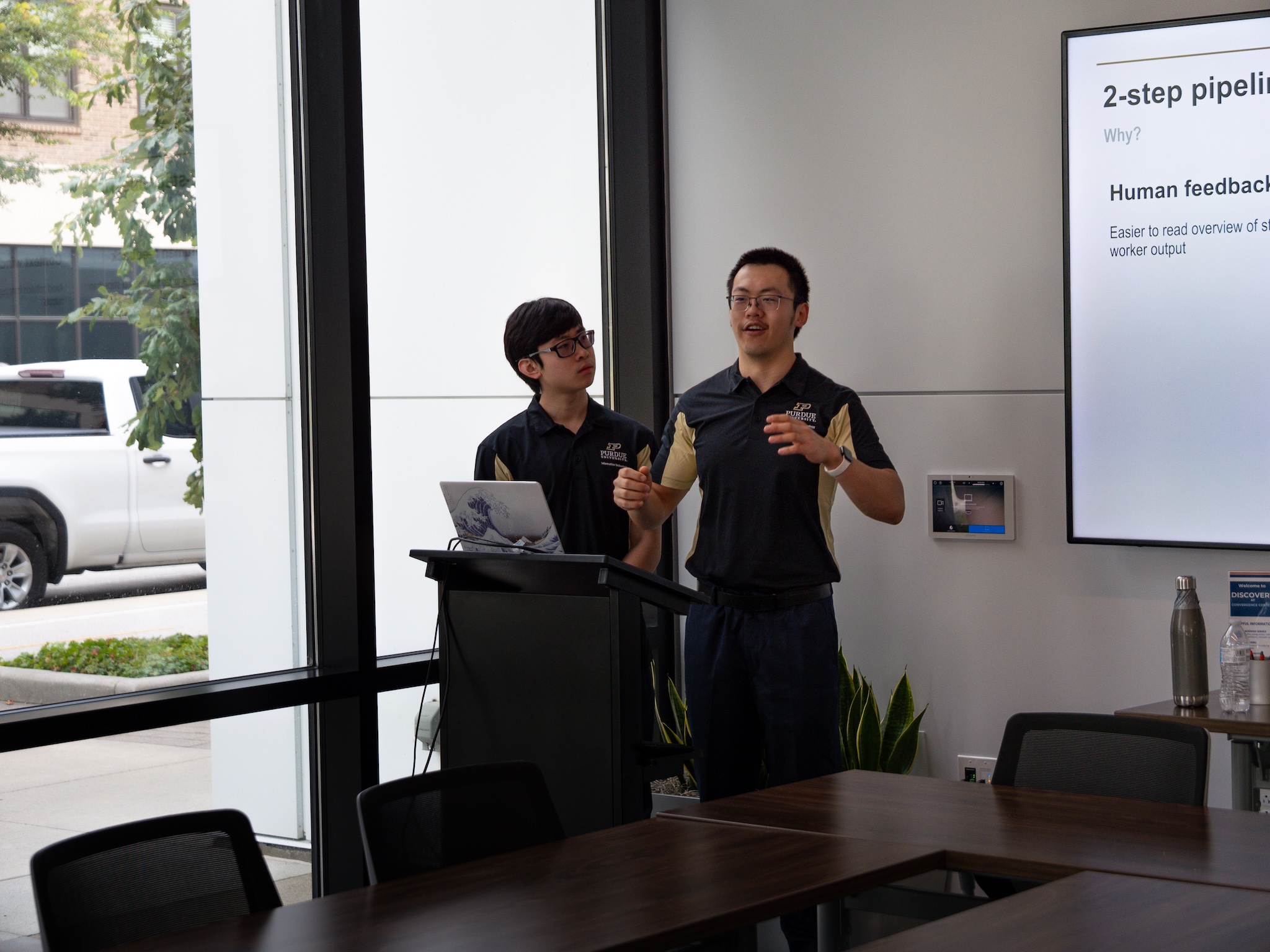
The first CI-XP project for 2026 focused on building the GTAP Insight Engine, a next-generation AI-powered tool designed to make the outputs of the GTAP (Global Trade Analysis Project) model more accessible to researchers and policymakers. Two students, Howie Lin and Eric Jin, teamed up to take on this project under the supervision of their mentors, Haniye Kashgarani and Mihir Ahlawat, as well as RCAC Executive Team member Arman Pazouki. Erwin Corong, Deputy Director and Principal Research Economist for GTAP, also assisted in mentoring the students and helping with their work. In this project, Lin and Jin built a tool that utilizes AI agents to interpret natural language queries, extract relevant data from GTAP model outputs, and perform basic data analysis. The GTAP model is used extensively to analyze issues related to international trade, energy policies, agriculture, and the environment, but its 800+ model variables make it daunting for novice researchers. Lin and Jin tackled this problem by designing an AI tool that allows users to interact with GTAP’s complex model outputs using plain language and presents all results in a user-friendly visual format. Their AI tool was developed using a tech stack that included AnvilGPT (Purdue’s on-premises LLM service), LangChain, PostgreSQL, ChromaDB, and Chainlit. They incorporated a two-step pipeline consisting of a “planner” agent and a “worker” agent, included Retrieval-Augmented Generation capabilities, and added AI-agent-powered data collection and analysis features. By the end of the summer, Jin and Lin delivered a well-functioning GTAP Insight Engine that lowers the barrier to entry for exploring complex economic model results. The tool is currently deployed through the Anvil Composable Subsystem.
“I came in with some coding experience, but not enough to fully make the agent without more learning,” says Lin. “I think that is definitely a huge benefit of being part of this program. For somebody who is just interested in coding and has a bit of background in it, it gives you a lot of time to learn more about the code.”
Project 2:
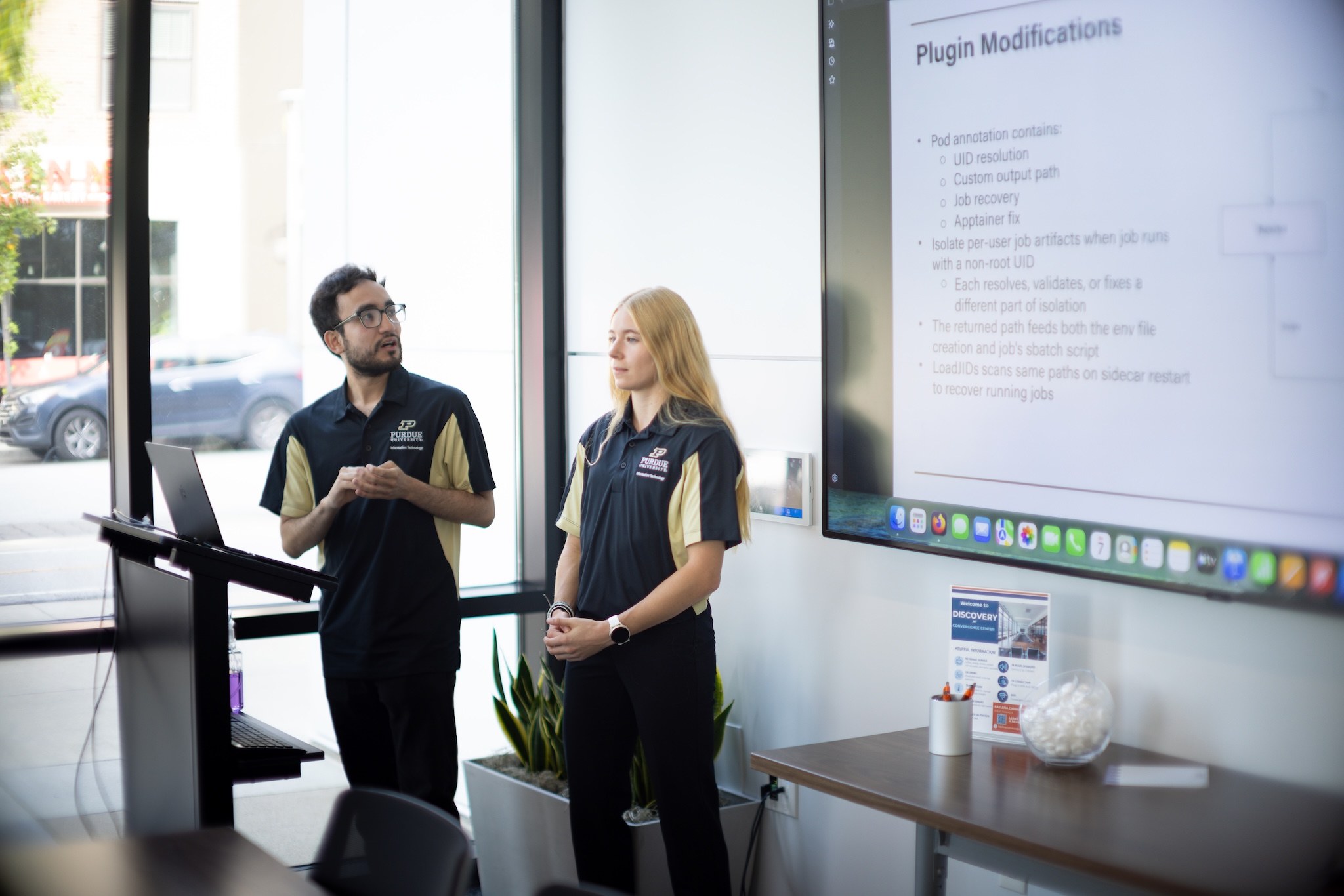
The second CI-XP project worked on developing Elastic Cloud Scheduling for Edge Kubernetes. Angello Bravo and Shelby Stall worked on this project under the supervision of their mentors, LJ Lumas and Frank Bakhit, and RCAC Executive Team member Erik Gough. At the onset of the summer, RCAC’s HPC resource scheduler could only convert entire GPU nodes into Kubernetes workloads, meaning smaller cloud computing jobs may only utilize a single GPU at a time, but would still have 4 allocated, leaving 3 GPUs idle. This is an inefficient use of the highly coveted GPUs available to Purdue researchers. To solve this, Bravo and Shelby developed a fine-grained scheduling system that enables single-GPU allocation across heterogeneous compute environments and multiple Kubernetes clusters. Their development pipeline included tools such as InterLink, Virtual Kubelet, Kubewarden, and Helm. Thanks to their work, Purdue researchers can now use powerful GPUs more efficiently while reducing idle GPU time, thereby increasing accessibility for AI, machine learning, and data-intensive research.
“I really enjoyed working in a research environment,” says Stall. “Everyone was super supportive and helpful and really open to answering any questions that we had, and really wanted to help us improve in any way that they could.”
Project 3:
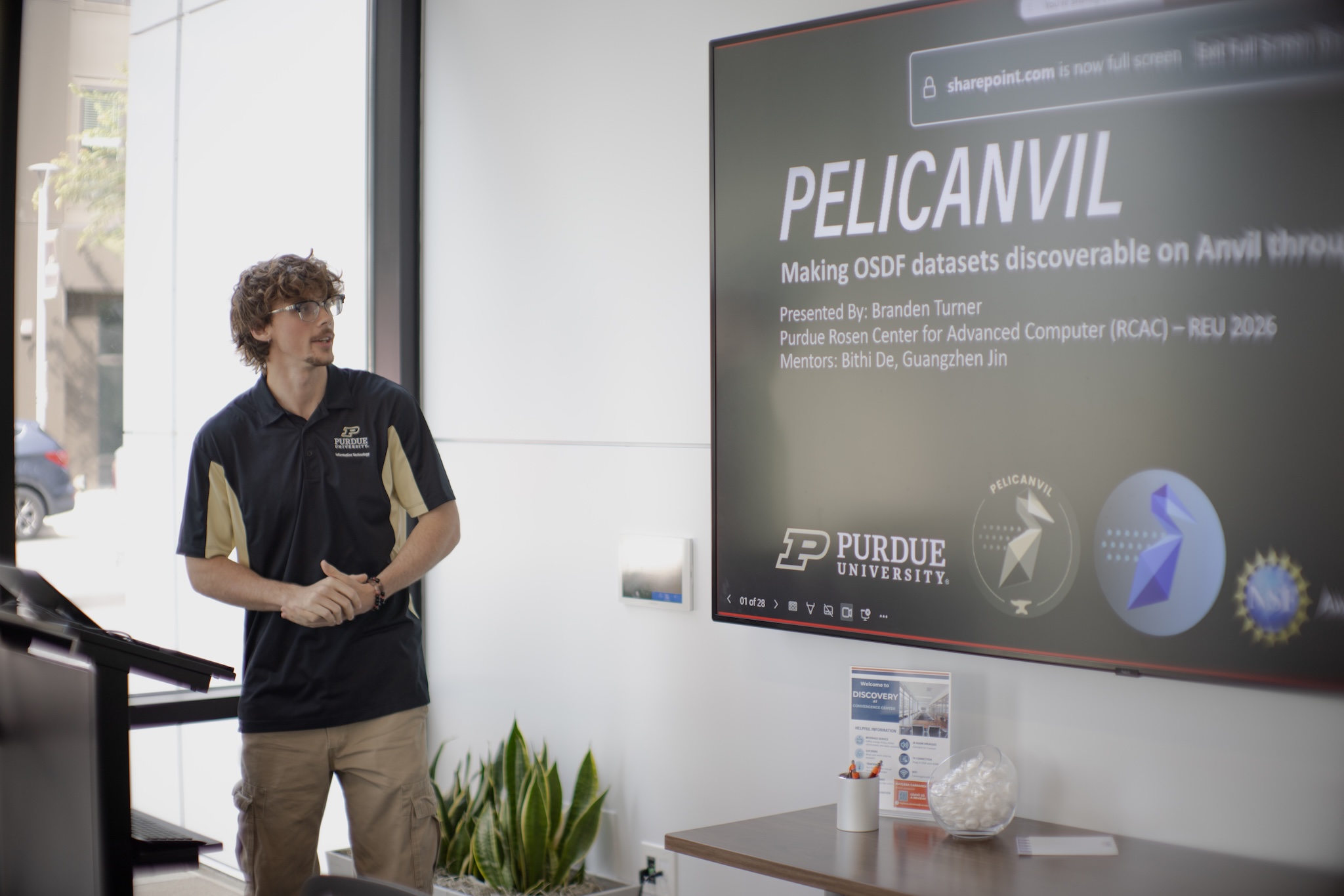
For the third CI-XP project, Branden Turner worked with his mentor, Guangzhen Jin, and RCAC Executive Team member Preston Smith, to make Open Science Data Federation (OSDF) datasets discoverable on Purdue’s Anvil supercomputer through Pelican, a software platform that federates and delivers data repositories to researchers throughout the nation. Turner’s first step was to run three benchmark tests to determine whether Pelican would be useful for data streaming to researchers on Anvil. During these benchmarks, Turner found that Pelican would indeed be useful, but that there were currently two barriers that could be removed: discoverability and streamability. The discoverability barrier fell to the fact that OSDF does not have a central dataset catalog, so researchers needed to know specifics of what they were looking for to find it. For streamability, Turner found that certain compressed data packages posed issues in streaming reliability. To solve both of these problems, Turner developed PELICANVIL. PELICANVIL is built on a tech stack that includes FastAPI, PelicanFS, and SQLite. It provides manually indexed datasets, a dataset browser, a quick access panel, and an admin panel, all while improving streamability as well as allowing for downloads. Researchers can access PELICANVIL with a web browser through the Anvil Open OnDemand dashboard, which further lowers the barrier to entry for new users. Thanks to Turner’s work during the CI-XP program, PELICANVIL significantly improves performance for data-intensive workloads, including large-scale simulations, AI/ML training, and high-throughput analytics, and enables a fast and reliable research pipeline across multiple scientific disciplines. The paper from this project, titled, "Pelicanvil: A Web Platform for Discovering, Browsing, and Accessing Federated Datasets on HPC," has been accepted at SC26. Turner will be presenting the work to the broader HPC community at the conference held in Chicago on November 15.
“This project showed me how important software development is for research and especially research that uses high-performance computing,” says Turner. “Without this program, I wouldn't even know about HPC or RSE [Research Software Engineering].”
A comprehensive educational experience
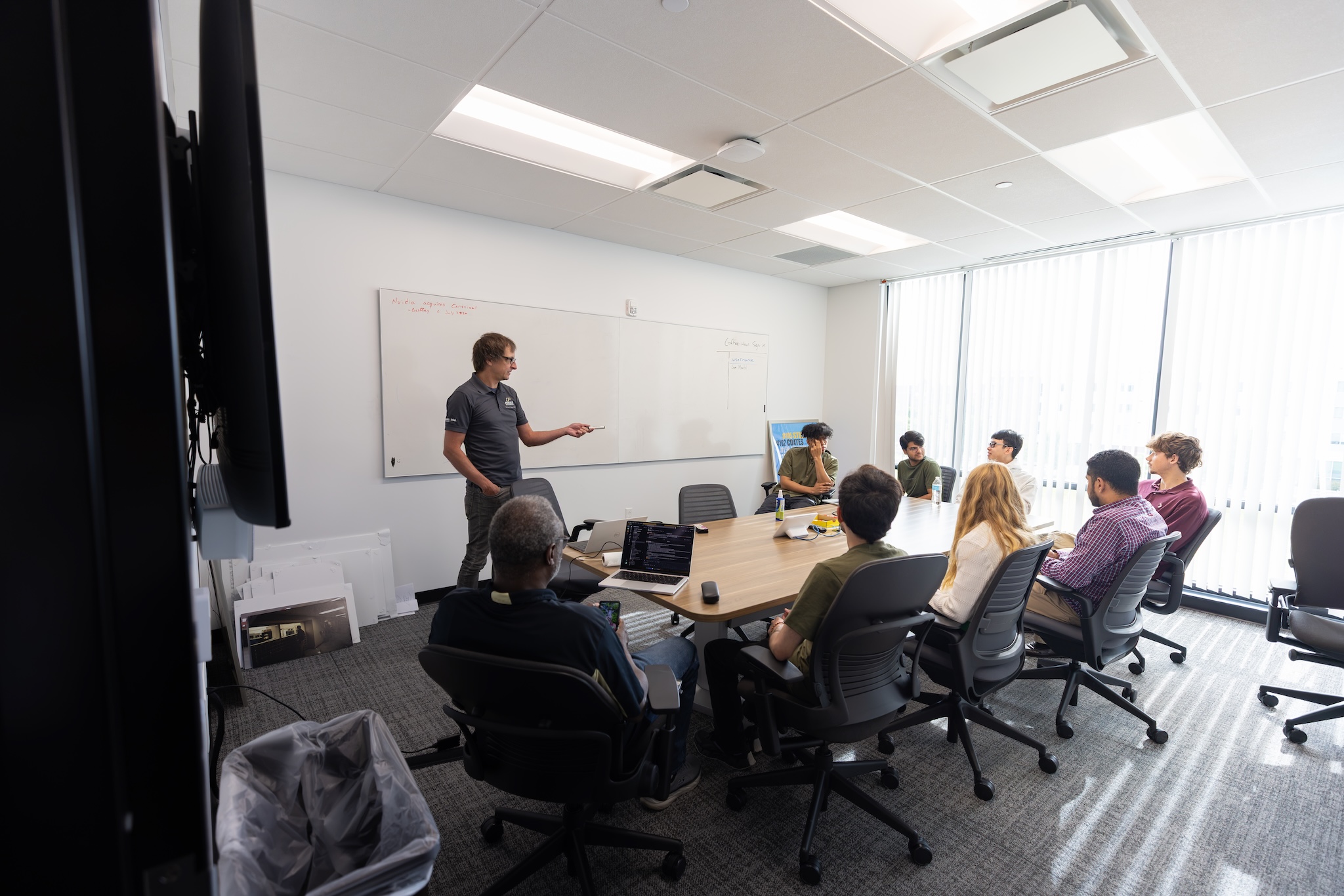
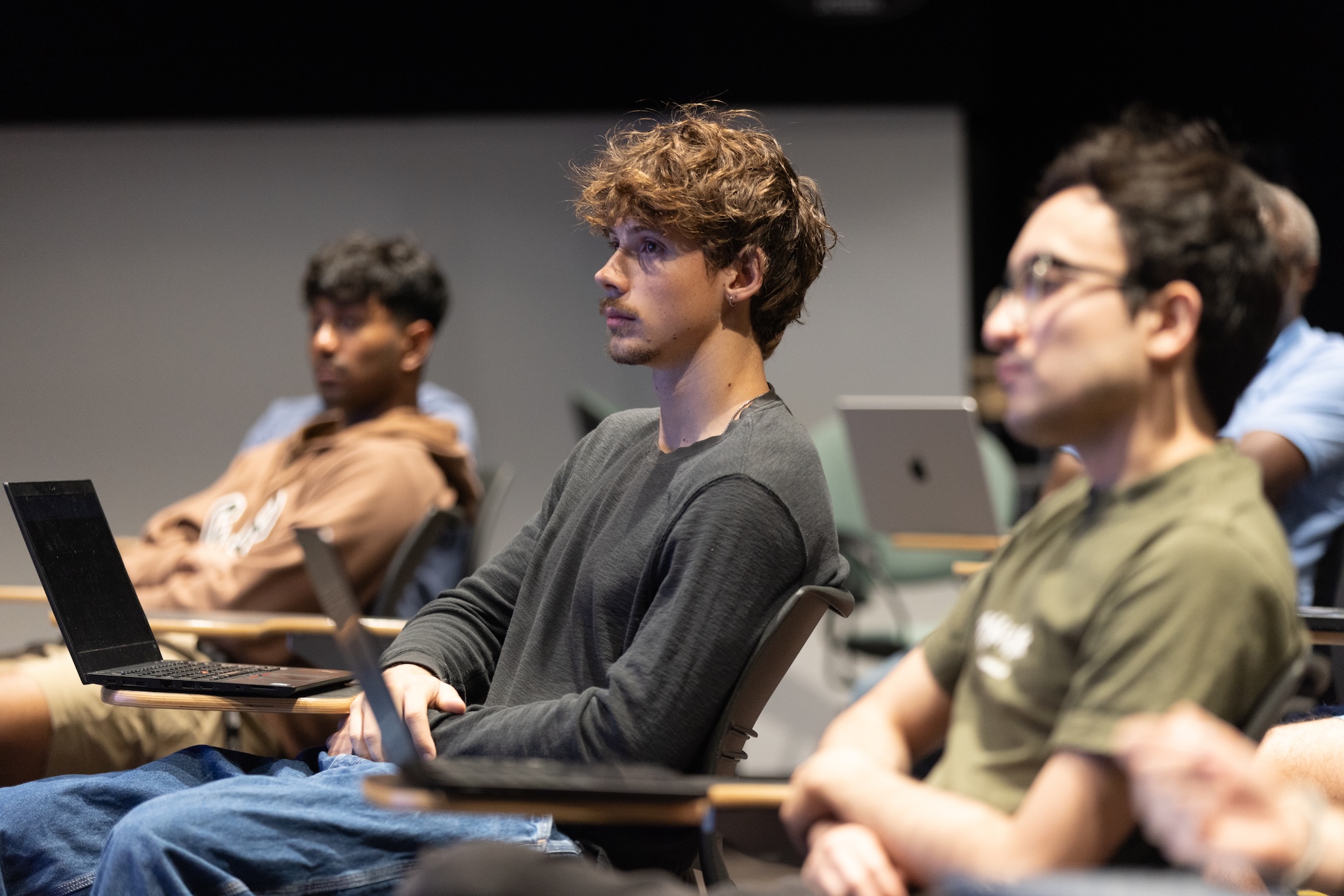
While the CI-XP students worked hard all summer, this program was more than a temporary job—it was a completely immersive learning experience. The students had access to their mentors and to the RCAC staff working on-site. They were also able to take tours of the campus and data center, attend presentations hosted by both RCAC and the SURF (Summer Undergraduate Research Fellowship) program, participate in technical workshops, and even attend and present at the Practice and Experience in Advanced Research Computing (PEARC) 2026 Conference! The five CI-XP students also gave midpoint presentations on their projects to staff from Oak Ridge National Laboratory (ORNL), the Institute for Geospatial Understanding through an Integrative Discovery Environment (I-GUIDE), the Morgridge Institute for Research, and Pacific Northwest National Laboratory (PNNL).
“PEARC was amazing,” says Bravo. “The work there was super cool. I met so many professionals and students and was able to attend many sessions and learn more about not only supercomputing, but also systems and apps.”
Lin adds, “I learned a lot at PEARC. After spending the weekend there participating in student program events, you get to explore all the sessions, read some of the best papers, and hear from some great speakers (as part of the full conference). You get to talk with companies and possibly get yourself an internship.”
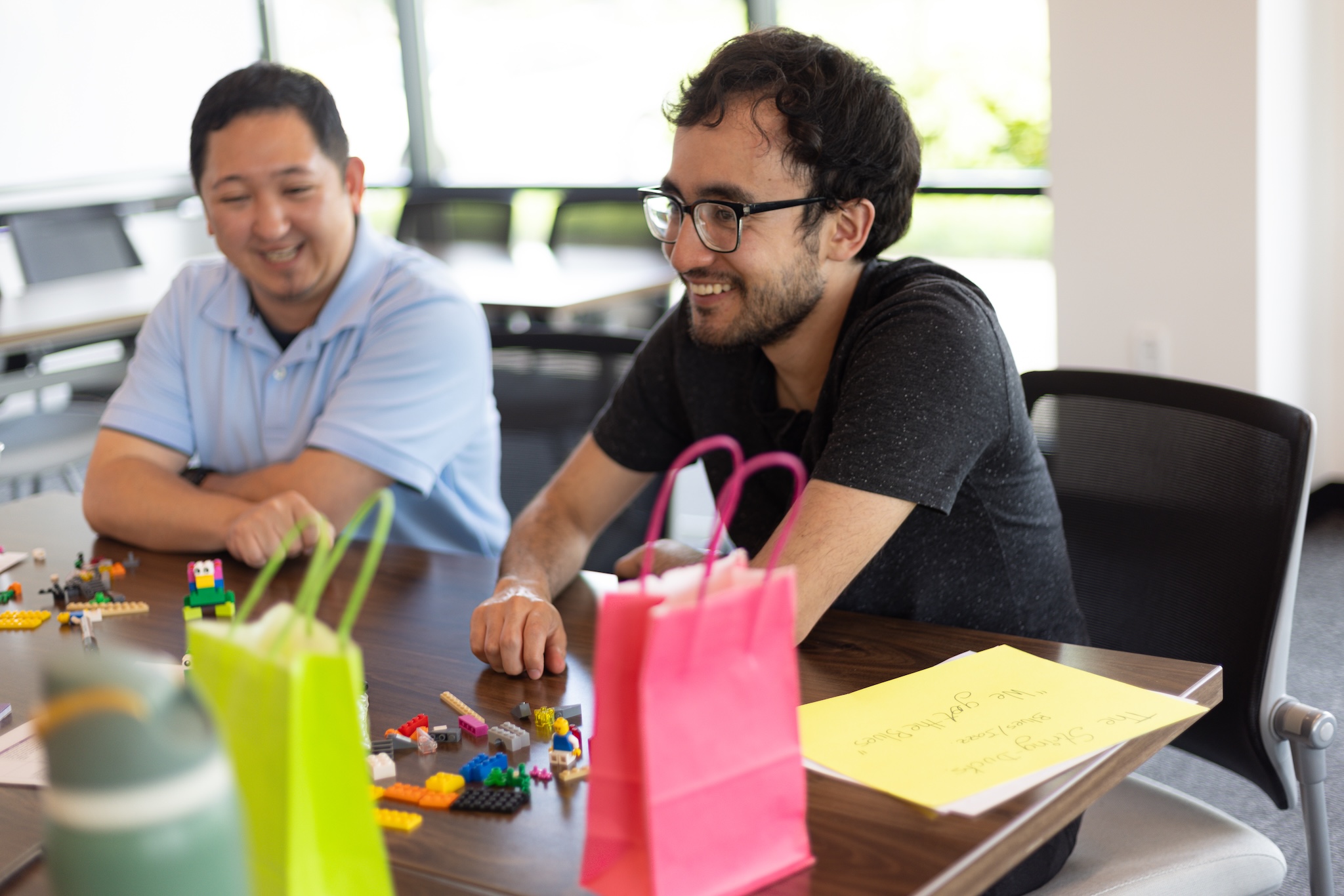
Beyond technical workshops and presentation experience, the REU students took part in workshops focused on developing intangible skills. One such workshop, led by Syd Moore, an Academic Advisor & Gallup-Certified Strengths Coach, alongside Manabu Taketani, a Leadership Development Specialist at Purdue LEAD, guided the group through the myStrengths talent assessment. Another was led by Matt Jones, Certified Master Facilitator in LEGO® SERIOUS PLAY® methods (LSP). This session introduced the students to LSP, a facilitated thinking, communication, and problem-solving technique for use with organizations, teams, and individuals. Both workshops took place at the beginning of the summer, followed by a midpoint meeting to build on the lessons learned and further develop the students for their future careers.
“Some events 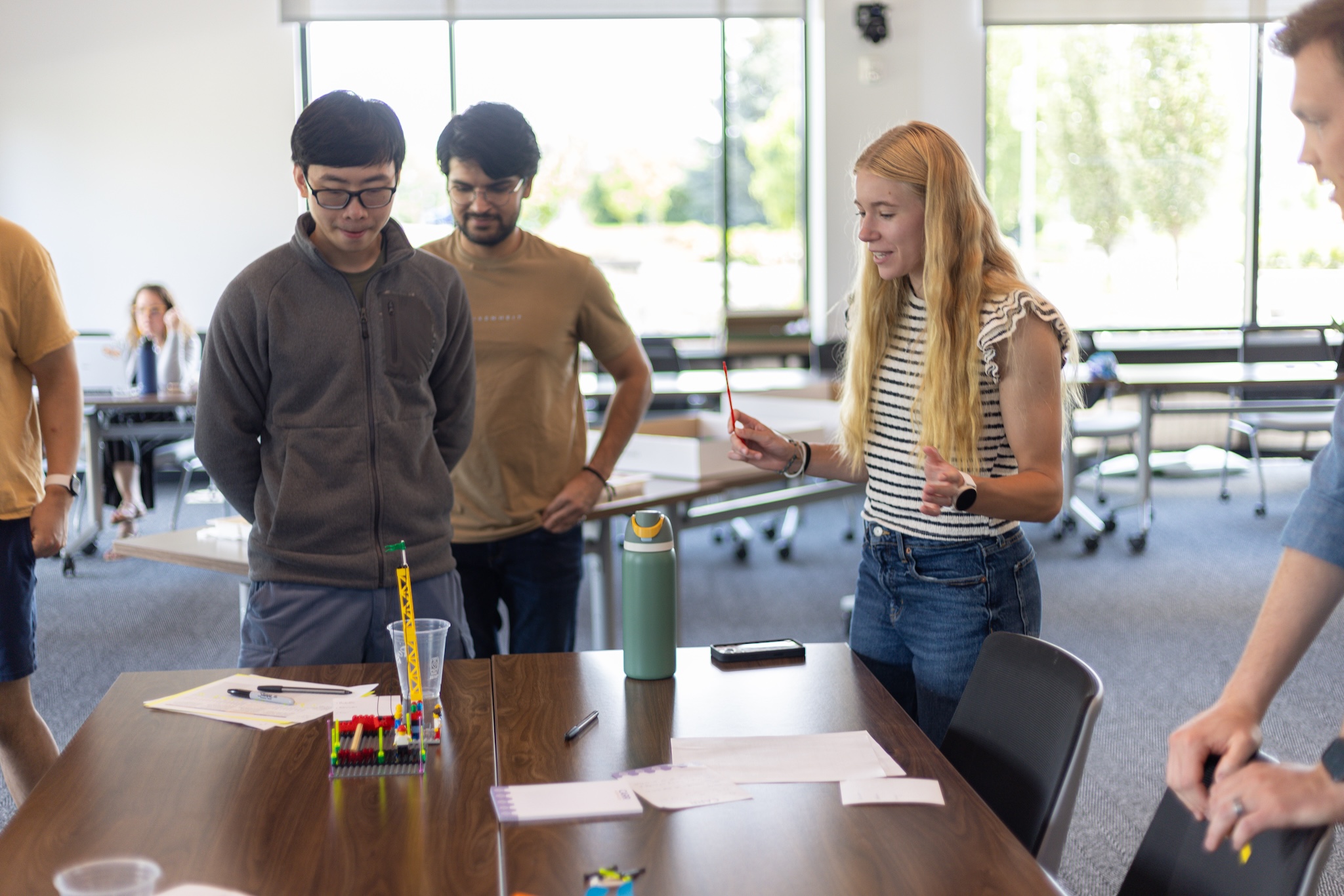 that stood out to me were the first day when we did some LEGO series, play, team-building activities, and strengths workshops to better understand how we would work together as a team throughout the summer,” says Stall. “This was a great introduction to the program, and it was really helpful to get to know each other before jumping into these projects.”
Stall continues, “It was also really impactful to revisit what we had been doing throughout the summer and what we did on the first day after the midpoint presentations to kind of build on what we worked on to be able to continue and improve our team building and collaboration throughout the summer.
Giving these students the opportunity to gain as much knowledge and experience as possible is a vital component of the CI-XP program. In this way, RCAC helps ensure that each summer program participant develops into a capable and competent cyberinfrastructure professional.
Mission accomplished
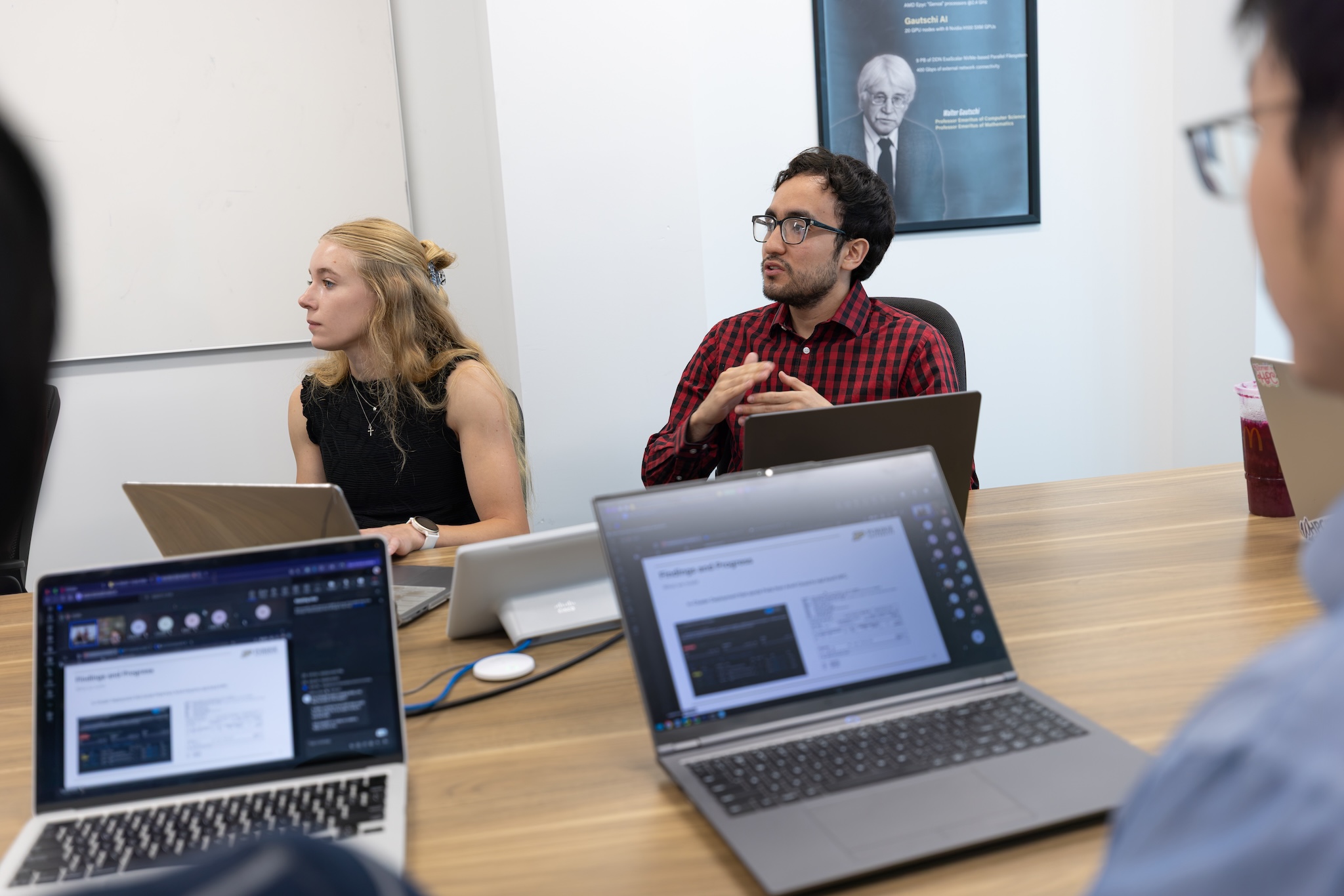
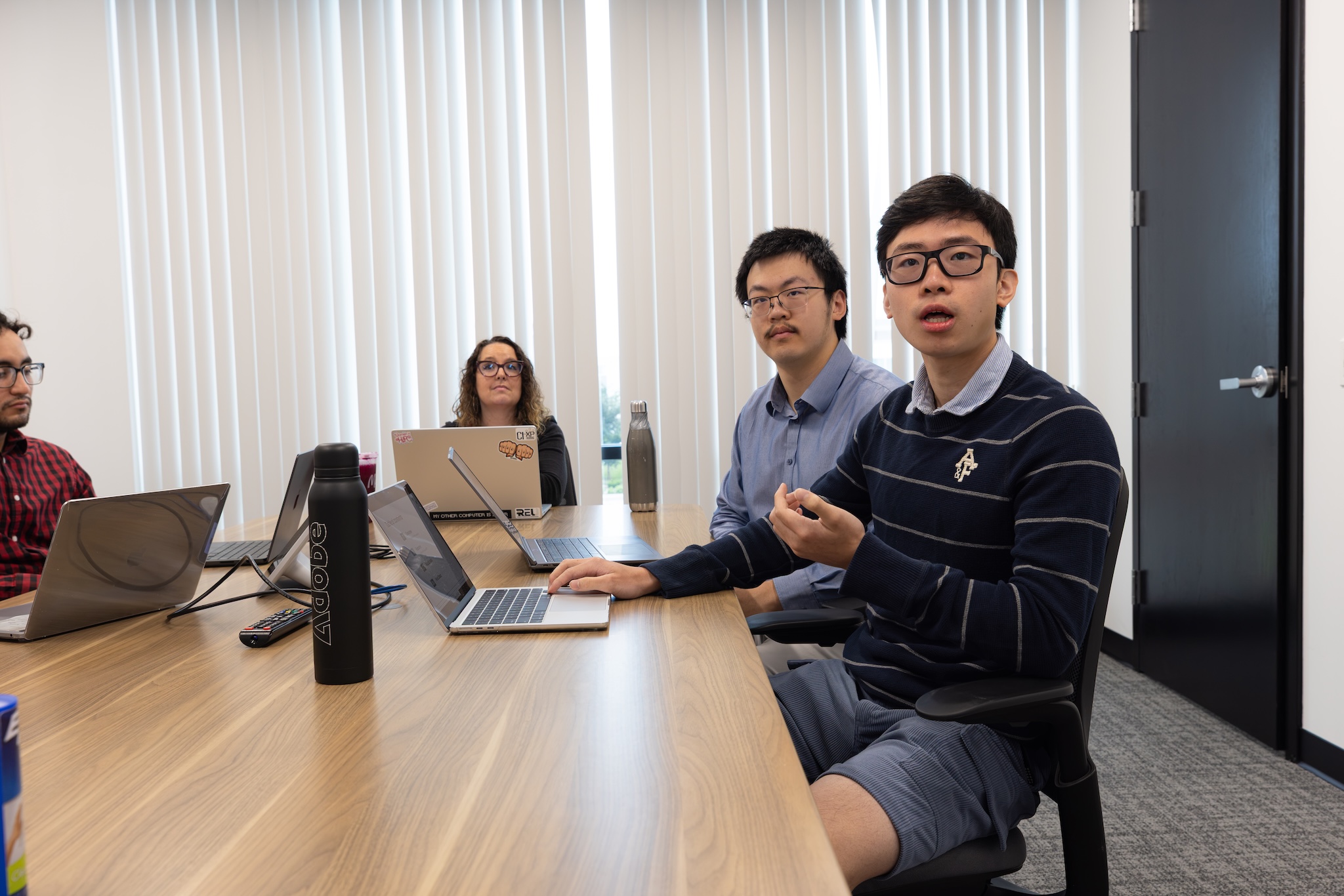
On the final day of the CI-XP program, the students presented their work to the RCAC team. As they demonstrated the results of their projects, each student discussed their accomplishments, obstacles, failures, and what they learned throughout the summer. The students were then asked questions and given feedback on their presentations. To the RCAC team, it was wonderful to hear how the summer program might help steer the future careers of these students, many of whom expressed a desire to continue within the field of HPC.
“This CI-XP program has been very insightful for someone like me who has looked more towards industry-based careers, not towards research,” says Turner. “It really opened my eyes to how high-performance computing is really useful to research.”
Overall, these five students made fantastic progress: they completed their projects, learned technical and interpersonal skills they will need in the workforce, and gained an in-depth understanding of the HPC world. To sum up the summer, Bravo shared this quote:
“I would 100% recommend this CI-XP program to other students because having this type of experience as an undergrad is very complicated. It's a very cool opportunity.”
To learn more about the 2026 summer CI-XP program, please visit our Research Experience for Undergraduates webpage. Registration for 2027 will open once the new projects are announced in early November, so be sure to bookmark the page and keep an eye out on RCAC’s social media channels. The application deadline is February 19, 2027, but may close earlier based on the volume of submissions. Interviews for positions will begin in January of 2027.
For more information regarding HPC and how it can help you, please visit our “Why HPC?” page.
Anvil is one of Purdue University’s most powerful supercomputers, providing researchers from diverse backgrounds with advanced computing capabilities. Built through a $10 million system acquisition grant from the National Science Foundation (NSF), Anvil supports scientific discovery by providing resources through the NSF’s Advanced Cyberinfrastructure Coordination Ecosystem: Services & Support (ACCESS), a program that serves tens of thousands of researchers across the United States. Anvil also supports advanced artificial intelligence research as an official resource provider of the National Artificial Intelligence Research Resource (NAIRR) Pilot.
Researchers may request access to Anvil via the ACCESS allocations process or through the NAIRR allocations process. More information about Anvil is available on Purdue’s Anvil website. Anyone with questions should contact anvil@purdue.edu. Anvil is funded under NSF award No. 2005632.

Written by: Jonathan Poole, poole43@purdue.edu